
Restorative Dentistry in Sterling Heights, MI
Restorative dentistry is all about returning your teeth to their original, proper function and appearance. At St. Apollonia Dental, we have a range of tools in our toolbox to address tooth damage and decay, as well as missing teeth. By applying the latest dental techniques to every treatment, we always seek to restore function while providing the most long-lasting, natural-looking results.
Our Approach to Restorative Dentistry
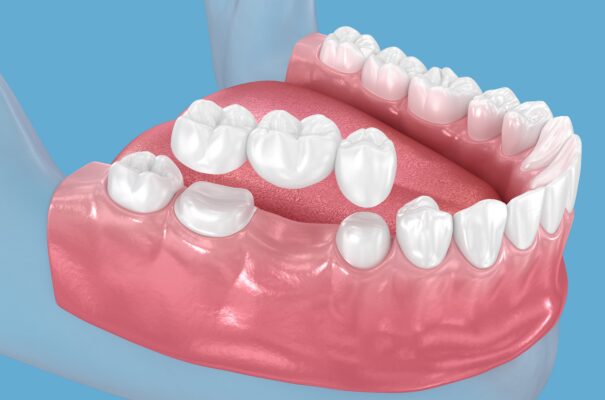 Successful restorative dentistry starts with careful planning. Dr. Charles Pearson begins by reviewing your oral health and medical history and exploring what you hope to achieve. In his 40+ years in dentistry, he’s noticed clear patterns in what patients are concerned about the most:
Function: Most patients come to us because something isn’t working the way it should. Our goal is to restore your ability to bite and chew after damage, decay, or tooth loss.
Appearance: A good restoration should look good, too! We apply cosmetic principles to every restorative treatment we do because you deserve a smile that works well and looks great.
Durability: A patient’s time and investment should provide long-lasting results. With thorough planning and high-quality materials, we create restorations designed to hold up for years, or even decades, with proper care.
In addition to the above, patients often ask if their restorative treatment will be painful or uncomfortable. We understand those concerns and take steps to help you feel more at ease and confident in your care. Using local anesthesia and light to moderate sedation options, we can help keep you comfortable throughout your procedure.
Restorative Dentistry Services at St. Apollonia
At St. Apollonia Dental, we offer a full range of restorative treatments to address concerns like decay and tooth loss.
Fillings and Bonding
Two of the most common treatments to preserve natural teeth are composite fillings and dental bonding. Both use tooth-colored materials that blend with your natural tooth shade.
A dental filling restores the area of a tooth damaged by decay. Dr. Pearson removes the decay and fills the cavity with a composite resin that seamlessly blends into the color of your natural tooth.
For chips or cracks, he can sculpt the material to conceal the flaw and reinforce the tooth’s structure. We call this technique dental bonding.
Dental Crowns
A dental crown is a cap that we place over a damaged tooth rather than filling it. It’s typically used when a tooth is too severely broken down or decayed to hold a filling. Once cemented in place, the crown restores the tooth to full function, allowing you to chew properly again. The procedure involves slightly shaving down the tooth to make room for the crown, which we perform under local anesthesia.
To prevent sensitivity and enable proper chewing, you’ll wear a temporary crown while your permanent crown is being made. Thanks to modern CAD/CAM technology, patients can expect their final crown within about a week.
Dental crowns can also restore a missing tooth when secured over a mini dental implant.
Conventional and Mini Dental Implants
Dental implants are small titanium posts that anchor into the jawbone to support a tooth replacement. We can use dental implants to replace a single tooth with a crown, multiple teeth in a row with a bridge, or an entire arch of teeth with a roundhouse bridge or implant denture.
Implant-supported tooth replacements feel remarkably similar to natural teeth, providing greater comfort and a more natural biting and chewing experience. For many patients, these improvements can be life-changing. Dr. Pearson has years of experience placing both traditional dental implants and minimally invasive mini dental implants, so he has seen firsthand just how transformative dental implants can be.
Dental Bridges
A traditional dental bridge replaces missing teeth by placing crowns on the teeth beside the gap and attaching an artificial tooth between them. It’s been around for a long time and remains a highly successful treatment when healthy teeth are available to anchor it.
That said, if the neighboring teeth are in good shape, Dr. Pearson often prefers to leave them alone, favoring an implant-supported bridge instead. This option can provide an even better result without needing to alter any healthy teeth.
Root Canal Treatment
Root canal treatment removes infected or inflamed pulp from inside the tooth. This can ease pain and sensitivity while saving the tooth itself. It’s a way to give a damaged tooth a second chance instead of removing it.
Dr. Pearson numbs the area, removes the affected tissue inside the tooth, cleans the canals, and restores the structure of the tooth, typically with a crown.
Porcelain Veneers
Porcelain veneers are thin ceramic shells that we bond to the outside of your teeth. This cosmetic procedure can dramatically improve the shade, shape, and length of your teeth. However, it can also conceal minor damage such as cracks and chips, making it a useful tool in our toolbox for minor restorative concerns.
To place veneers, Dr. Pearson prepares the teeth by removing a tiny amount of the front enamel (roughly half a millimeter) before bonding them to the front surface of the teeth.
These are just a few of the most common restorative treatments we offer at St. Apollonia. No matter the treatment, our goal is to restore what’s damaged, replace what’s lost, and ensure the end result looks and functions the way it should. That’s what restorative dentistry is all about.
Learn About Restorative Dentistry at a Free Consultation
No two patients walk in with the same situation, and no two treatment plans look exactly the same. Some people need to repair a tooth that’s damaged from decay. Others need to replace one that’s been gone for years. Dr. Pearson has seen it all over more than four decades of practice, and he’s ready to bring that experience to your restoration. He’ll take the time to understand your smile concerns and recommend a treatment plan that fits your goals and needs.
At St. Apollonia Dental, we rely on the latest materials, technology, and techniques. When needed, sedation and a local anesthetic help make the experience as comfortable as possible. If you’re not sure where to start, we’re happy to point you to the next step. Come in for a free consultation to learn more!
Frequently Asked Questions
At the most basic level, a good restoration gets you back to function. Intervention can restore your ability to chew properly and keep you smiling with a full set of teeth. Beyond that, Dr. Pearson applies cosmetic principles to every treatment he does, so the final result looks natural.
Restorative dentistry can also extend the life of your natural teeth. Saving a tooth with a crown or root canal treatment helps you avoid a longer, more involved replacement process down the road.
Restorative dentistry is worth it. A well-planned restoration can provide truly life-changing results that last for years or even decades.
Dr. Pearson is upfront about pricing. Some of these treatments, such as full-arch restoration with dental implants, are a sizeable investment. However, our practice helps you manage the costs of your care with financing options that let you spread payments over up to 12 years. We’ll also check to see what your insurance covers and maximize your benefits.
Remember: Doing nothing about missing or infected teeth also comes at a cost. Untreated decay, infection, or tooth loss tends to create bigger (often more expensive) problems down the road. And missing teeth left unaddressed can cause neighboring teeth to shift and lead to bone loss.
That’s exactly what the free consultation is for! If you think you need restorative intervention, schedule a visit. Dr. Pearson will learn about what brought you in, review your imaging, and walk you through your options. He’ll set the record straight on what to expect during and after the procedure, and clarify costs before treatment ever begins. You’ll leave with a clear picture of what’s going on and a recommendation you can trust.
In many cases, yes! Most dental insurance plans provide coverage for common restorative treatments like fillings, crowns, and bridges. In fact, crowns are such a standard and necessary treatment that Dr. Pearson can’t think of a dental insurance plan that doesn’t cover them in some capacity.
Most insurance plans also help cover bridges, though coverage amounts vary depending on your policy and the insurance company’s allowable fees. Dental implants are being covered more often now as well, but benefits can differ quite a bit from plan to plan. Some policies may also have waiting periods or limitations, especially if the tooth was missing before coverage began.
No matter your situation, our team is happy to help. During your free consultation, we can review your insurance benefits, explain your coverage, and help you understand your options before moving forward with treatment.
The technology we use helps make your care more precise, convenient, and comfortable. One of the most important tools we have is our CBCT scanner, which is basically a dental CAT scan. It lets us view your jaw in three dimensions, revealing key details that Dr. Pearson uses to plan your care.
We also have an intraoral scanner. Instead of taking traditional dental impressions, we use a small light wand that scans your teeth digitally and sends that information straight to the lab. It’s faster, more comfortable, and gets your restorations back to you in half the time. For example, CAD/CAM technology allows your crown to be designed and fabricated in about a week rather than two or more.
Related Videos
- What Is a Dental Implant?
- What Is a Mini Dental Implant?
- Mini Dental Implants vs. Conventional Implants: What’s the Difference?
- What Are the Advantages of One-Piece Mini Dental Implants?
- Can a Tooth Extraction and Dental Implant Be Done the Same Day?
- What If I Don’t Have Enough Bone for a Dental Implant?
- Is Bone Grafting Required for Mini Dental Implants?
- Who Is a Good Candidate for Mini Dental Implants?
- What Issues Can Dental Implants Correct?
- What Are My Options for Replacing a Single Missing Tooth?
- What Are My Options for Replacing Multiple Missing Teeth?
- What Are My Options If I’m Missing All of My Teeth?
- Do You Offer Same-Day Dental Implants?
- Are Dental Implants Safe?
- Does Getting a Dental Implant Hurt?
- Free Dental Implant Consultation: What to Expect?
- The Mini Dental Implant Process Explained Step by Step
- How Long Does the Dental Implant Procedure Take?
- How Many Appointments Are Needed for Mini Dental Implants?
- How Long Do Mini Dental Implants Last?
- What Can I Eat After Dental Implant Surgery?
- Dental Implant Healing and Aftercare: What to Expect
- What Is the Success Rate of Mini Dental Implants?
- How Much Do Dental Implants Cost?
- Are Dental Implants Covered by Insurance?
- Do You Offer Payment Plans for Dental Implants?