
When you hear the word Botox, you likely think about celebrities with full cheekbones and plump lips. But did you know that Botox is used for more than just cosmetic enhancement? In dentistry, we use Botox for issues like bruxism or TMJ disorders. If you’re tired of waking up with a headache and sore jaw, Botox may be the perfect solution for providing some much-needed relief! To learn if Botox is right for you, book a free consultation with us in Sterling Heights, MI. There, we will discuss your symptoms, determine what your next steps should be, and formulate a treatment plan just for you.
Bruxism: What It Is and Why We Do It
Bruxism, also known as teeth grinding, is incredibly common. People with this condition clench and rub their teeth together unconsciously, causing immense strain and pressure on both your jaw and enamel.
The exact cause of bruxism is unknown. Most often, teeth grinding is thought to be influenced by a combination of physical, mental, and genetic factors.
Awake bruxism is the unconscious clenching and grinding of your teeth throughout the day. It’s commonly thought to be caused by anxiety, frustration, or simply habit. Many people grind their teeth while concentrating, putting undue stress on their jaw without realizing it.
Sleep bruxism is often linked to other sleep disorders like snoring or sleep apnea. While there is no causal relationship either way, these sleep disturbances may affect bruxism.
In many cases, patients don’t know they grind their teeth. But when you start to notice the following symptoms, it may be a clear sign of bruxism.
- Flattened, worn, or cracked teeth
- Tired jaw muscles
- Tooth pain or sensitivity
- Jaw, neck, or face pain
- Dull headaches starting at the temple
- Unusually large jaw muscles
Botox for Bruxism
So how does Botox fit in?
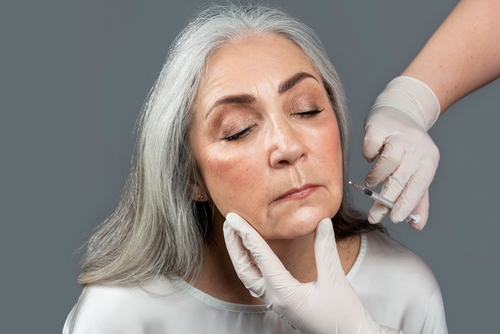 Botox is a brand name for Botulinum Toxin type A, a neurotoxin that we use to alleviate jaw pain. While the word “toxin” may sound scary, Botox is actually safe and effective when used in the right doses! Dr. Pearson at St. Apollonia Dental is trained in Botox to provide these treatments safely.
To treat bruxism, Dr. Pearson will target the facial muscles responsible for chewing. These muscles, called the masseter muscles, are on either side of your jaw and allow it to move. You use these muscles every day for speaking and chewing, so it’s important to keep them functional.
Using a regulated dose of Botox, Dr. Pearson will safely inject the neurotoxin into your masseter muscles. This forces the muscle to relax, reducing the tension that is causing you pain. The Botox process won’t affect your ability to use these muscles at all, but it will make it more difficult to clench as tightly.
Within 3 to 7 days after Botox treatment for bruxism, you’ll likely notice an incredible difference in your jaw. Most patients experience significantly less pain, tension, and headaches.
How Long Does Botox Last?
Unfortunately, the effects of Botox are not permanent. After a few months, you may begin to notice some tenseness in your jaw again. When the effects begin to wear off, we encourage you to book another appointment with Dr. Pearson to receive the treatment again.
With regular appointments, you can enjoy a more relaxed smile!
However, it is important to note that most insurance plans do not cover Botox for bruxism. In many cases, your insurance won’t cover Botox treatment for the masseter muscles unless you can prove that you’ve tried other solutions, such as night guards or physical therapy, first.
To help combat costs, Dr. Pearson offers flexible financing solutions for patients. If approved, you can choose between a variety of financing plans to find one that suits your budget.
Botox for Bruxism: Learn What Treatment Is Right for You!
Botox is for more than just celebrity looks. Using a regulated amount of Botulinum Toxin type A, Dr. Pearson can target and relax your jaw muscles. This treatment helps relieve tension and reduce pain caused by unconscious bruxism throughout the day or night. To learn if you’re eligible for Botox to treat your bruxism, book a free consultation with us in Sterling Heights, MI!
Follow St. Apollonia Dental on Facebook to learn about our other pain-relieving treatments.
